
IICRC AMRT-Certified Mold Remediation in Fishers, IN
Don’t let mold compromise your home and health. Our certified technicians safely remove mold from basements, crawl spaces, attics, and living areas using proper containment, HEPA filtration, and antimicrobial treatments. We fix the problem right the first time.
Signs You May Have a Mold Problem
Mold isn’t always visible. Watch for these common indicators that mold may be growing in your home.

Spots or patches on walls, ceilings, or surfaces. May appear black, green, white, or gray. Any visible mold indicates a larger problem.

A persistent earthy, musty smell – especially in basements, bathrooms, or near HVAC systems. This often indicates hidden mold growth.

Allergies, respiratory issues, headaches, or fatigue that improve when you leave home. Mold exposure can affect your health.

Discoloration on ceilings or walls indicates past or present moisture problems. Where there’s water damage, mold often follows.

Water damage creates ideal conditions for mold. If you’ve had flooding, leaks, or burst pipes, mold can grow within 24-48 hours.

Condensation on windows, damp feeling air, or humidity above 60% creates conditions where mold thrives – especially in basements and bathrooms.
Where Mold Grows in Hamilton County Homes
Central Indiana’s humid summers and older housing stock create ideal conditions for mold. Here’s where we find it most often.
Basements
Hamilton County’s high water table and frequent rain create basement moisture problems. Water seepage through foundation walls, sump pump failures, and humidity all promote mold growth on walls, floors, and stored items.
Bathrooms & Kitchens
High moisture areas with inadequate ventilation. Mold grows behind tiles, under sinks, around toilets, and inside cabinets. Poor caulking and grout allow water infiltration into walls.
Crawl Spaces
Up to 40% of the air you breathe comes up from your crawl space. Damp, neglected crawl spaces with exposed dirt floors, poor ventilation, and standing water are prime mold habitats that affect your whole home’s air quality.
Behind Walls
Slow plumbing leaks, condensation on cold pipes, and water damage that wasn’t properly dried create hidden mold growth. By the time you see or smell it, the problem has often spread extensively.
Attics
Roof leaks, poor ventilation, and bathroom exhaust fans vented into the attic create moisture problems. We often find mold on roof sheathing and rafters that homeowners never knew existed.
HVAC Systems
Mold in your ductwork spreads spores throughout your home every time the system runs. Dirty evaporator coils, drip pans, and ductwork insulation are common problem areas. Air duct cleaning can help.
Types of Mold We Handle
All mold should be removed properly, regardless of type. Here are the most common molds we encounter in Hamilton County homes.
Black Mold (Stachybotrys)
The infamous “toxic black mold” that makes headlines. Stachybotrys is dark greenish-black, slimy, and grows on water-damaged materials high in cellulose (drywall, wood, ceiling tiles). It requires very wet conditions and prolonged moisture. While it can produce mycotoxins, proper remediation eliminates the hazard.
Aspergillus
One of the most common indoor molds. Can appear in many colors, including green, white, and gray. Found on walls, insulation, paper products, and fabrics. Can cause respiratory issues in sensitive individuals.
Penicillium
Blue or green fuzzy mold commonly found on water-damaged materials, wallpaper, carpet, and insulation. Spreads quickly and produces strong musty odors. Often found alongside other mold types.
Cladosporium
Olive-green to brown mold that grows in both warm and cool conditions. Often found on fabrics, wood surfaces, and HVAC systems. Can trigger allergic reactions and respiratory symptoms.
Not Sure What You Have?
Our professional mold testing identifies the specific types and concentrations of mold in your home.
Important Note
You cannot reliably identify mold type by color alone. Professional laboratory analysis is the only way to confirm what mold species are present.
Professional Mold Remediation Process
We follow IICRC S520 standards for safe, effective mold removal. Most projects are completed in 1-3 days.
Inspect
Thorough inspection using moisture meters, thermal cameras, and air sampling to assess the full extent of mold growth – including hidden areas.
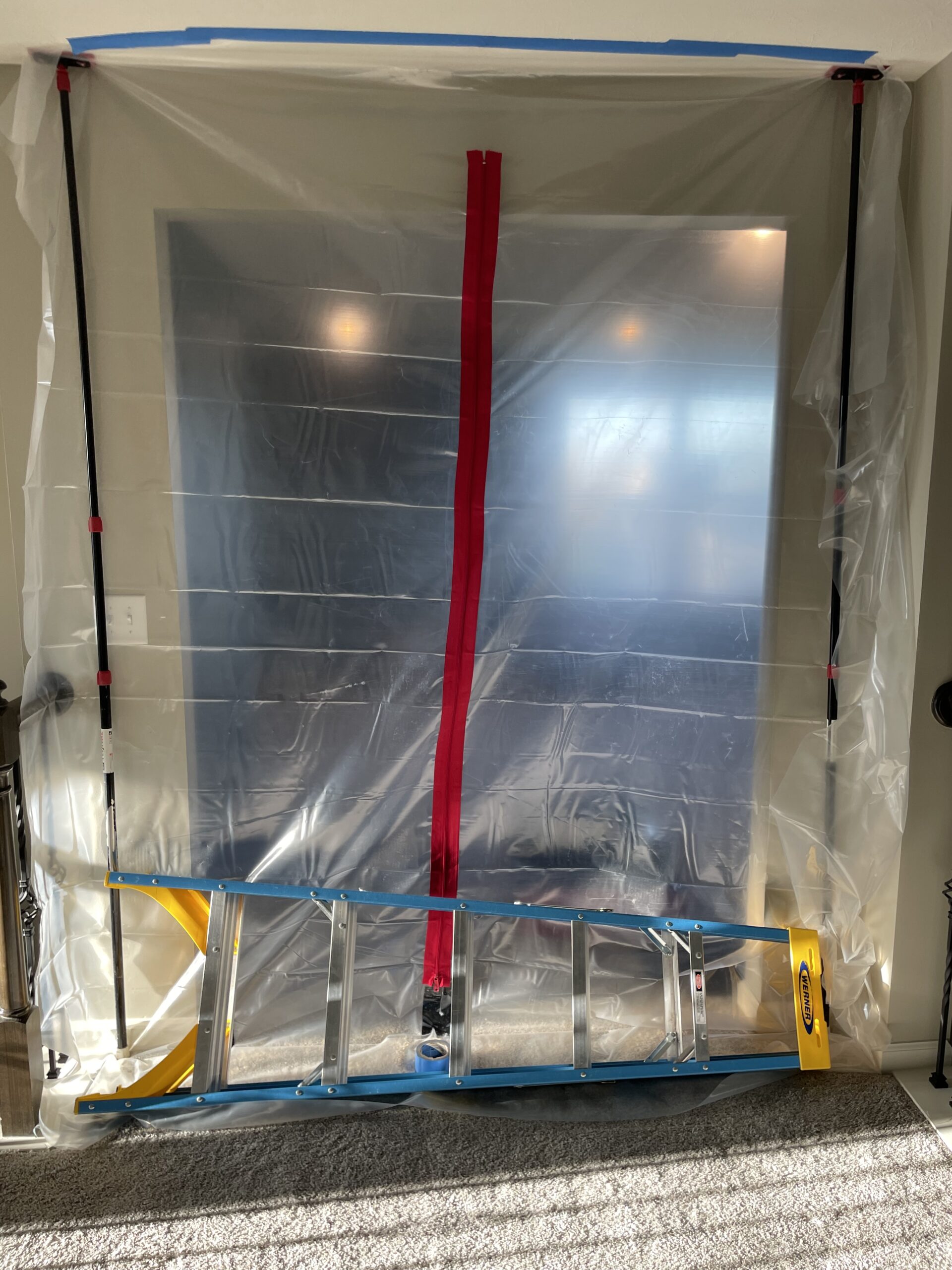
Seal off affected areas with plastic sheeting and negative air pressure to prevent spores from spreading to clean areas during removal.
Safely remove mold-contaminated materials using HEPA vacuums, air scrubbers, and proper techniques. Dispose of materials according to regulations.
Apply antimicrobial treatments to affected surfaces. Clean and sanitize all salvageable materials. HEPA filter the air throughout the space.
Address the moisture source that caused the mold. Provide recommendations for ventilation, dehumidification, and preventing recurrence.
Why Certification Matters
Improper mold removal can make the problem worse by spreading spores throughout your home. Our technicians hold the IICRC AMRT (Applied Microbial Remediation Technician) certification – the gold standard in mold remediation.
This training covers:
Signs You May Have a Mold Problem
Mold isn’t always visible. Watch for these common indicators that mold may be growing in your home.

Our technicians hold AMRT certification – the industry standard for mold remediation. Proper training means proper results.

Family-owned and based right here in Fishers. We’re your neighbors, and we treat your home like we’d treat our own.

Consistently rated 5 stars by Hamilton County homeowners. Read our reviews to see why customers choose us.
Eco-conscious remediation using proper containment, HEPA filtration, and antimicrobial treatments that are safe for your family.
We use accredited laboratory analysis for mold identification and post-remediation clearance testing. No guesswork.

We’re not done until you’re satisfied. Our work comes with a commitment to quality and your peace of mind.
Mold Remediation Questions
Common questions about mold removal and remediation.
What Our Customers Say
Gabe was very efficient and explained what he was doing and the areas he found mold and treated. He looked over the entire attic and crawl space and not just the areas the inspector reported mold. He was friendly and professional.

Very knowledgeable staff. Thorough inspection and clear explanation of findings. Professional service from start to finish. Highly recommend for any mold concerns.

Mold Remediation Throughout Hamilton County
Based in Fishers, we provide professional mold remediation throughout Hamilton County and the surrounding Indianapolis area.
Schedule Your Free Mold Inspection
Concerned about mold in your home? We’ll assess the situation, identify the extent of any mold growth, and provide a detailed remediation plan with upfront pricing.
Find Us in Fishers
Serving Hamilton County and the Greater Indianapolis area.